Anki is excellent, if you actually open it. If you will not live inside a flashcard queue, you can still use the spacing effect with a calendar and honest quiz rounds on your textbook chapters.
Hermann Ebbinghaus’s nineteenth-century work on memory and forgetting is the classic origin story. Modern psychology has stress-tested the core claim: distributing practice over time beats massing the same total study into one cram block for long-term retention. A large meta-analytic literature (including Cepeda, Pashler, Vul, Wixted, and Rohrer’s 2006 Psychological Bulletin review of hundreds of comparisons) finds a consistent advantage for spaced over massed practice across materials and ages.

Later work on spacing gaps (including Cepeda and colleagues’ 2008 findings discussed in instructional reviews) suggests that the useful gap between sessions grows with how long you need to remember the material. You do not need a perfect algorithm on day one. Reviews aimed at teachers emphasise a blunt practical rule: any spacing is usually better than none, equal or expanding intervals both beat cramming when the goal is later recall.
Spaced repetition software automates when to review each card. The active ingredient is still retrieval after a delay, not the brand of the scheduler.
Anki rewards people who enjoy systems: tagging, card types, cloze deletions, daily reviews that never zero out. Many secondary and early university students abandon decks because:
- Card creation from whole textbook chapters takes longer than the quiz they needed.
- Review debt snowballs after one skipped weekend.
- Subjects with long explanations and diagrams do not map cleanly to atomic flashcards.
- The interface feels like a second job beside schoolwork.
If that is you, do not moralise. Switch to a coarser grain: space chapters and quiz rounds, not every individual fact, unless you are in a vocabulary-heavy subject where cards truly fit.
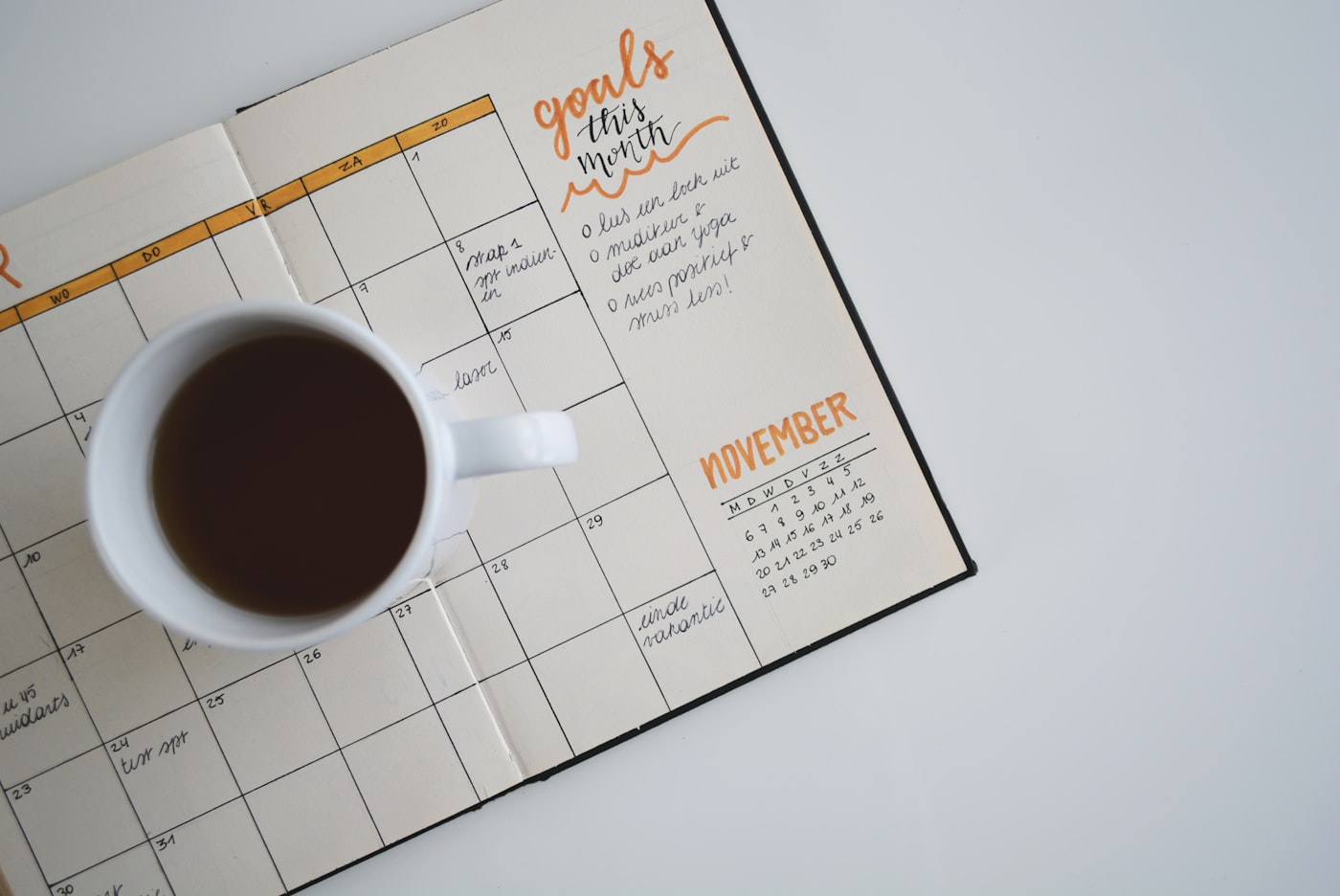
Pick a simple expanding schedule and write it next to each topic in your planner. A common starter pattern for material you need for weeks (not decades) looks like:
- Day 0: first learning + first self-test
- Day 1: short retrieval
- Day 3: quiz round
- Day 7: quiz round
- Day 14+: light check before the exam window
Guides that popularise spaced schedules often use similar 1 / 3 / 7 / 14-day style ladders. Treat them as defaults, not laws. If the exam is in five days, compress: today, tomorrow, day after tomorrow, still spaced relative to a single six-hour cram session.
Analog systems still work: Leitner boxes move physical cards between frequent and infrequent piles. A phone calendar with “Chem Ch. 4 quiz” events is enough if you show up.
Opening the PDF on the scheduled day and “looking over” the chapter is not spaced repetition. You need a retrieval event: closed book, questions, or teaching the section out loud. Roediger and Butler’s synthesis on retrieval practice (often paired with spacing in study advice) is the reason quiz apps and past papers keep showing up in “what actually works” lists.
A low-friction round for textbook material:
- Cover the page. Write three questions you expect the teacher could ask.
- Answer from memory.
- Check. Mark misses only.
- On the next spaced day, retest misses first, then a mixed set.
Multiple-choice is fine for speed, especially if distractors are realistic. After a green score, still explain one tough idea without looking. Recognition alone can flatter you.
History timelines, biology systems, geography case studies, and literature themes often live as chunks. Spaced chapter quizzes match how exams sample those subjects better than 400 micro-cards you will never finish. Languages and dense formula lists may still deserve finer cards: use Anki there if you like it, and calendar spacing elsewhere. Hybrid is allowed.
Example, biology: Monday you finish “membrane transport.” Generate or write a 10-item quiz. Wednesday you retake it cold, then skim only the two misses. Next Monday you mix membrane transport with last week’s enzymes set (a little interleaving). You never built a 200-card deck; you still spaced retrieval.
Example, history: after a unit on causes of a conflict, schedule essay-style prompts on Day 0 / Day 3 / Day 7 (“List three causes and one counterargument”). Calendar events titled with the prompt beat vague “revise history” blocks that dissolve into scrolling.
Leitner boxes remain a strong analog option if you prefer paper: cards you miss stay in the frequent box; cards you nail move to rarer review. The calendar method is simply Leitner at chapter grain. Pick the grain you will maintain for a month, not the grain that looks impressive on day one.
Studdly is offline-first study from your textbook scans: local OCR, BYOK AI, subtopics, ABCD quiz rounds you can schedule across a week.
If you will not maintain Anki decks, you still need spaced retrieval. Studdly is ideal as the low-friction content engine: one scan session, then Monday/Wednesday/Friday quiz rounds on the same topic. Spacing lives in your calendar, not in card-maintenance guilt.
Textbook in, spaced quizzes out: studdly.app.
Mon: Read Chapter 6 once. Scan key pages. Generate a quiz path. First closed-book round.
Tue: 15-minute miss-list only.
Thu: Full quiz round + one past short question.
Next Mon: Mixed quiz; add Chapter 7 first pass.
Exam week: Short reactivation of Chapters 6-7 miss lists, not a first reading of Chapter 12.
If you skip a day, do not “catch up” with a guilt marathon. Do the next scheduled retrieval and move on. Consistency beats perfect streak aesthetics.
Spacing without retrieval. Calendar dots next to “review” that mean re-reading = placebo.
Infinite card ambition. Starting Anki with 80 cards/day from three subjects is how decks die.
Only easy quizzes. If you never miss, increase difficulty or switch to free recall.
Waiting for the perfect tool. A paper list and a phone alarm already implement the science.
Schedule three quiz days this week, generate the first round from a real chapter.
Try Studdly